Physiotherapy for shoulder pain
Physiotherapy for shoulder pain
Shoulder complaints
Condition
Shoulder pain – often better treated with training than surgery
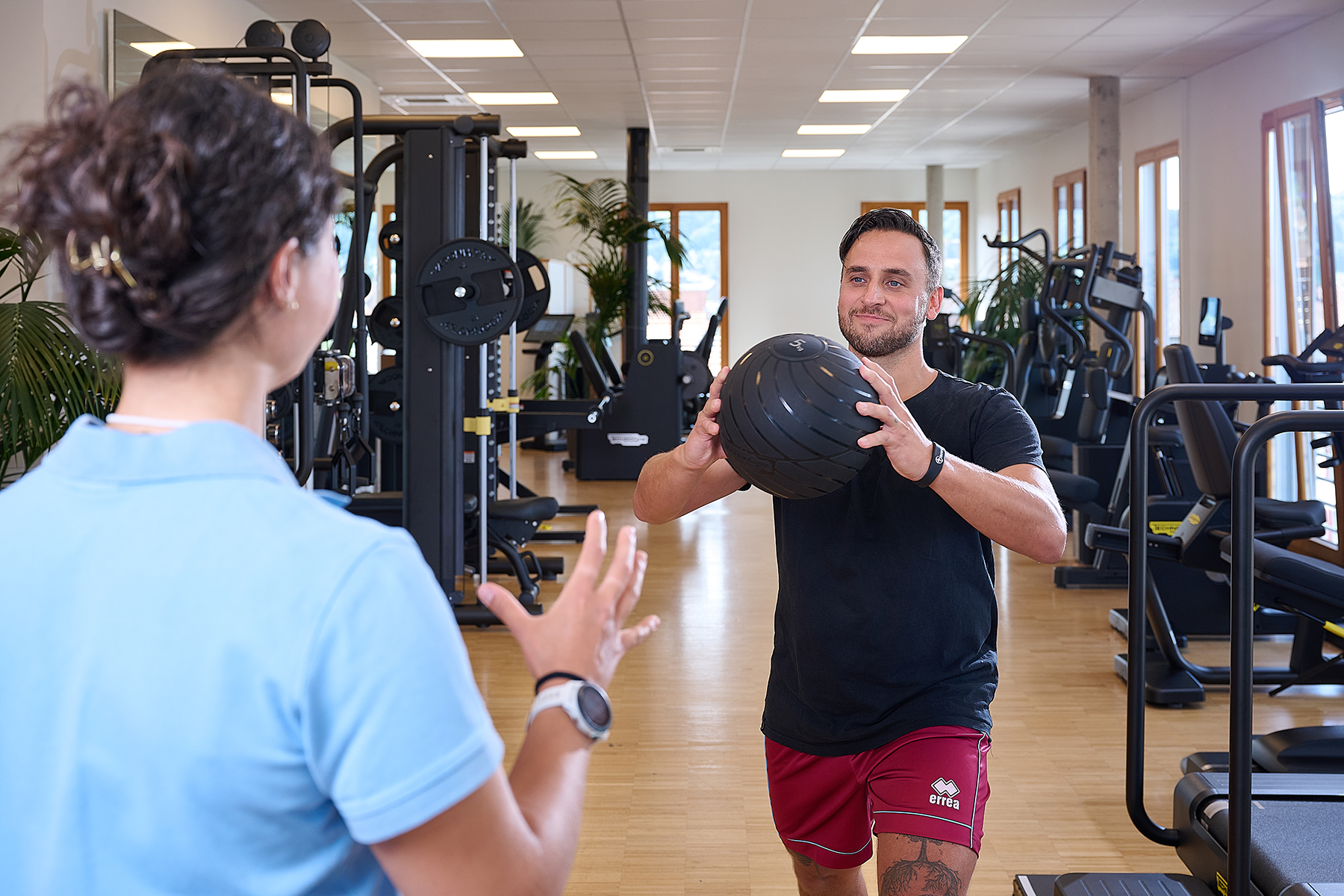
The shoulder is the most mobile joint in the body. It is stabilised mainly by muscles, which makes it particularly prone to dysfunction – but also particularly responsive to training.
For many common shoulder problems such as impingement or non-traumatic rotator cuff tears, a targeted exercise programme is just as effective as surgery. The basis for this is an accurate assessment.
Scientific evidence
What studies on the shoulder show
What this means for you: For many shoulder complaints, consistent physiotherapy is worth trying first. After accidents, with large tears or in younger patients, surgery may be appropriate – we clarify this together with your doctor.
Assessment
Precise classification instead of one-size-fits-all treatment
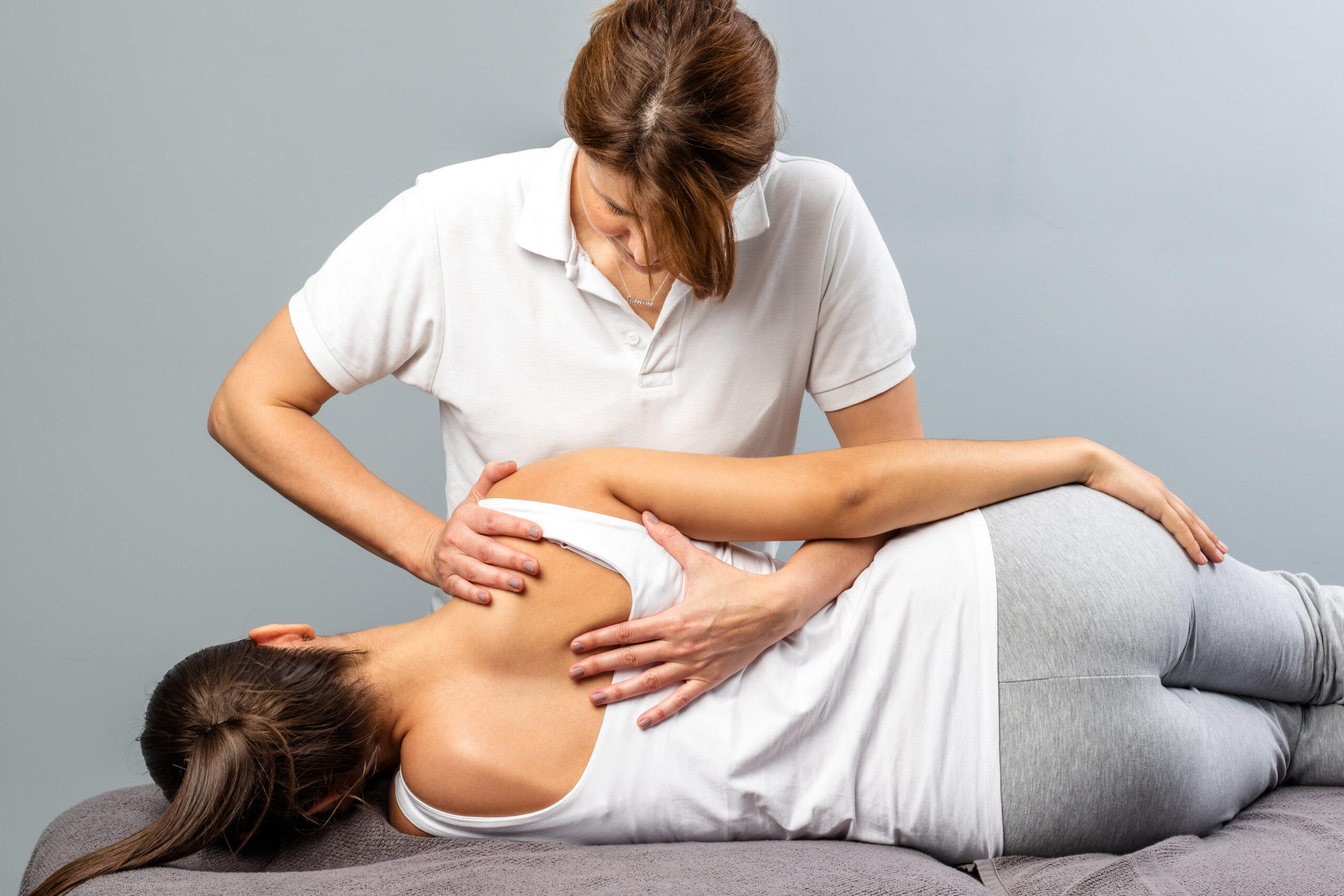
Our goal is a precise assessment: we assign your complaints to a subgroup and test our hypothesis with a specially developed algorithm of shoulder function tests.
- Screening of the neck and thoracic spine as a possible cause
- Mobility, strength and control of the shoulder and shoulder blade
- Symptom modification tests: what changes your pain?
- Load in daily life, work and sport
As part of our research work, we also apply new standards in shoulder assessment.
Treatment
How we rebuild your shoulder
Indications
We treat
- Shoulder impingement / subacromial pain
- Rotator cuff irritation and tears
- Shoulder instability
- SLAP lesions I–II
- Frozen shoulder / adhesive capsulitis
- Dysfunction of the shoulder blade, thoracic and cervical spine
- Rehabilitation after surgery and accidents
FAQ
Frequently asked questions about shoulder pain
The MRI showed a tear – do I need surgery?
Not necessarily. Rotator cuff tears become more common with age, even in people without symptoms. For non-traumatic tears, physiotherapy is often just as effective. After an accident with loss of strength, however, surgery should be assessed by a doctor early on.
Can I train with shoulder pain?
Yes, as a rule. Mild, well-tolerated pain during training is usually harmless as long as it settles by the next day. We show you how to dose the load correctly.
How long does it take for the shoulder to recover?
Tendons adapt slowly. Expect several weeks to months of strength building. A frozen shoulder can take one to two years, but targeted therapy supports you well through it.
Will an injection help?
A cortisone injection can relieve pain in the short term and make it easier to start training. However, it does not replace strength building – in the long run, training is what counts.
Sources: Beard DJ et al., Lancet 2018 (CSAW trial, impingement) · Kukkonen J et al., J Bone Joint Surg Am 2015 (rotator cuff, 2 years) and follow-up after around 6 years
Shoulder pain?
Back to full mobility with accurate assessment and targeted training.