
Neurodynamics – nerve mobilisation
Neurodynamics – nerve mobilisation
Therapy
Neurodynamics
Nerves need freedom of movement. If a nerve is irritated or compressed – for example with nerve root irritation or carpal tunnel syndrome – targeted nerve mobilisation helps relieve pain and restore mobility.
Neural mobilisation is an established part of rehabilitation for irritated or compressed nerves – combined with manual therapy, treatment of neighbouring regions and gradual progressive training.
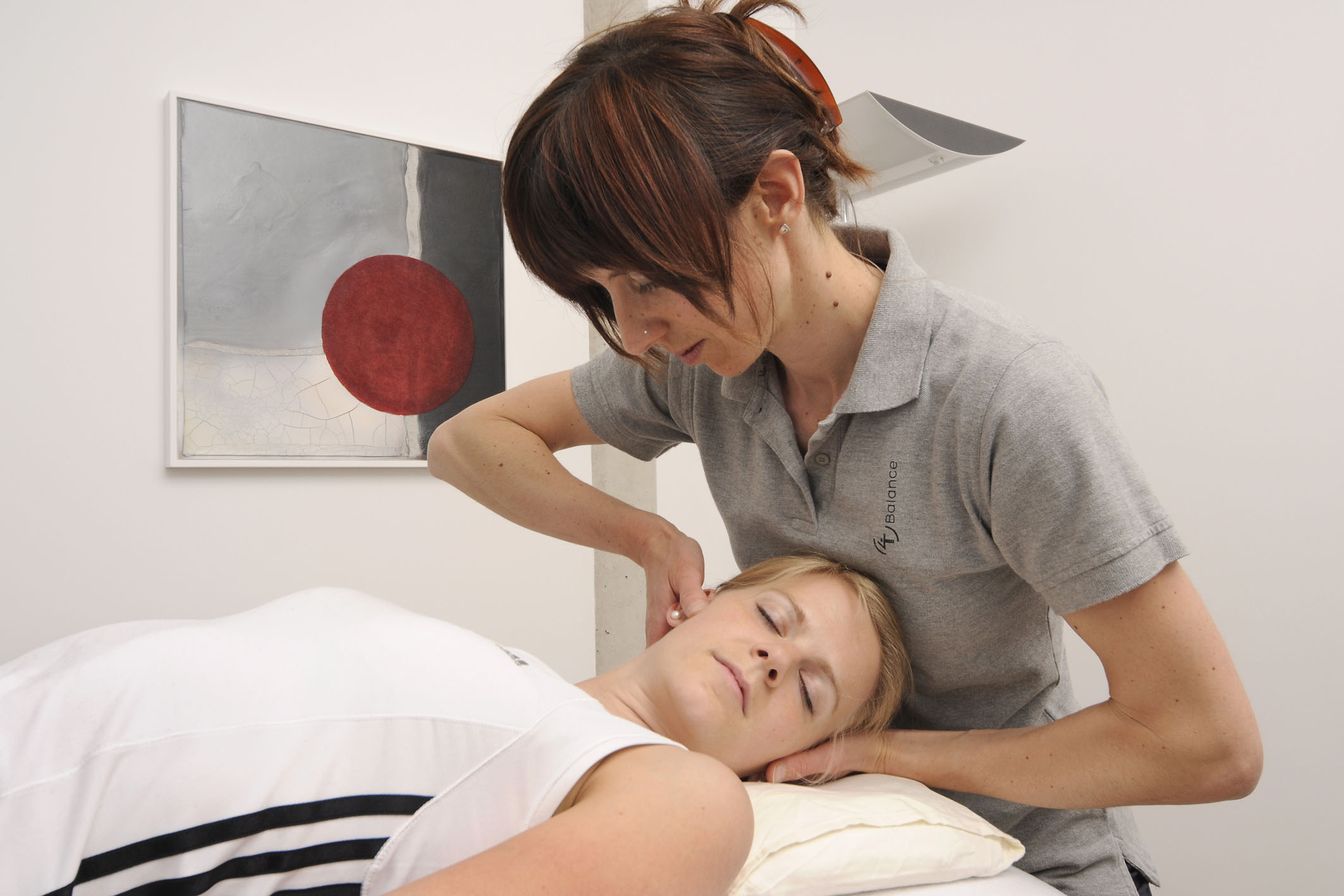
How it works
How neurodynamics works
Scientific evidence
What studies show
Indications
We treat
- Nerve root irritation (radiculopathy)
- Disc herniations with nerve root involvement
- Carpal tunnel syndrome (CTS)
- Peripheral nerve entrapments
- Peripheral nerve injuries
- Nerve adhesions after surgery
- Chronic pain with nerve involvement
FAQ
Frequently asked questions
How can I tell that a nerve is involved?
Typical signs are radiating, burning or electric pain, tingling or numbness. With paralysis or increasing weakness, prompt medical assessment is important.
Can I do the exercises at home?
Yes. We show you gentle gliding exercises that you can do on your own. The right dosage is important – better gentle and regular than too strong.
Does neurodynamics help with sciatica?
For radiating leg pain, it can be an effective part of treatment – together with education, exercise and training. More on the page Back complaints.
Sources: Basson A et al., J Orthop Sports Phys Ther 2017 (neural mobilisation) · Further reading: NOI · Published by us: case report on radiculopathy
Radiating pain or tingling?
We check whether a nerve is involved – and treat it precisely.