Dry needling in Muttenz
Dry needling in Muttenz
Therapy
Dry needling
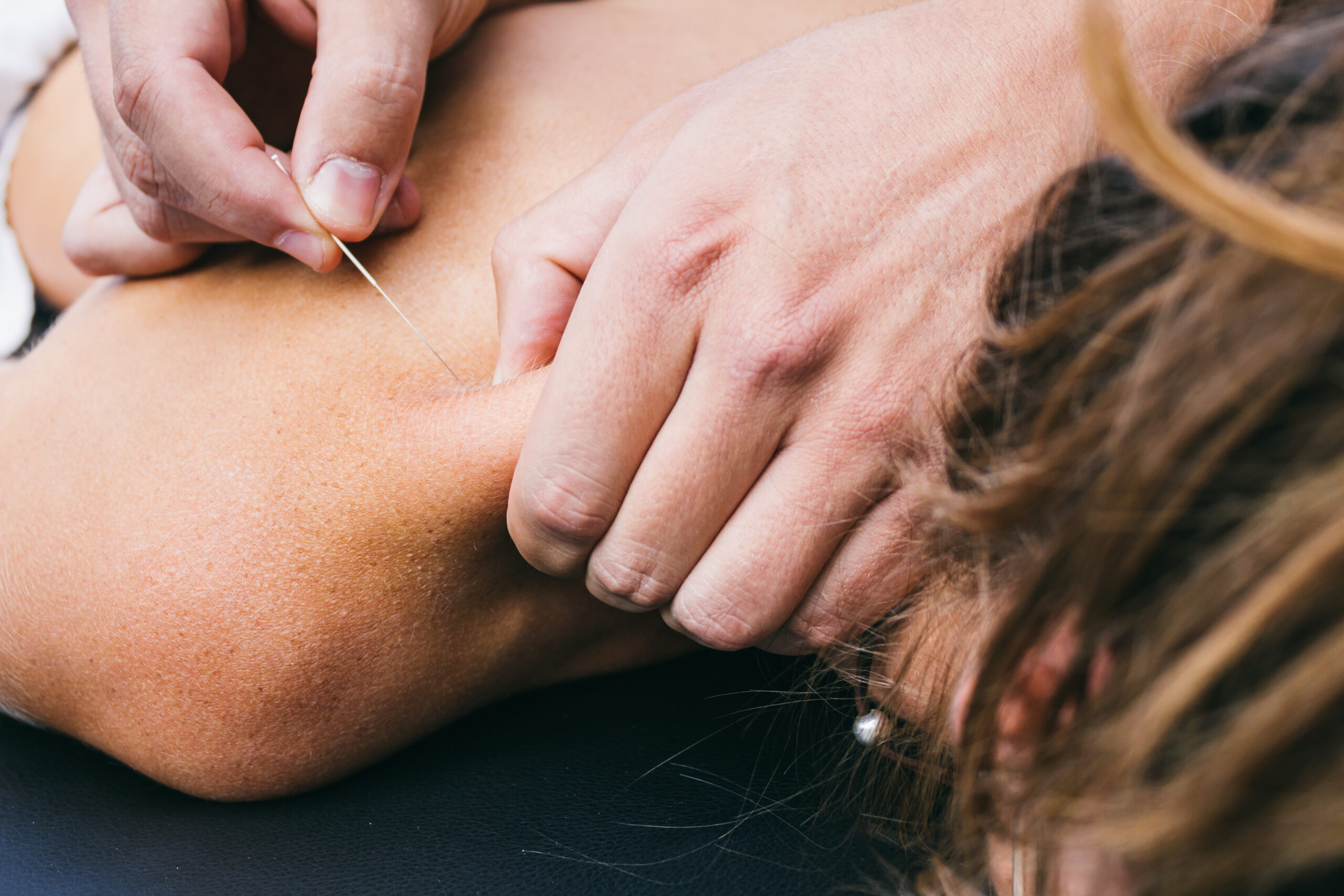
In dry needling, a very thin needle without medication is placed precisely into myofascial knots or trigger points – painful areas of tightness in muscles and fascia. This releases tension, improves circulation and relieves pain.
We use dry needling for muscle pain, in sports physiotherapy and in orthopaedic rehabilitation. The method has been practised in Switzerland since 1996 – it should not be confused with acupuncture.
How it works
How dry needling works
Scientific evidence
What studies on dry needling show
Our approach: We use dry needling to relieve pain quickly and clear the way for active training. If you do not like needles, you can opt for superficial dry needling or manual trigger point therapy instead.
Indications
Complaints with a muscular cause
- Neck complaints and headaches
- Back complaints
- Shoulder complaints
- Tennis elbow
- Carpal tunnel syndrome (CTS)
- Knee and foot complaints
FAQ
Frequently asked questions about dry needling
Does dry needling hurt?
The needle insertion is barely noticeable. When the needle hits the trigger point, a brief muscle twitch may occur that is uncomfortable for a moment. Afterwards the muscle may feel like it does after a workout for one or two days.
Is dry needling the same as acupuncture?
No. Although we use acupuncture needles, we treat trigger points specifically on the basis of anatomy and neurophysiology – not according to meridians.
Is dry needling safe?
Performed by specially trained professionals with sterile single-use needles, it is safe. We check risks such as blood thinners or fear of needles beforehand.
Sources: Gattie E et al., J Orthop Sports Phys Ther 2017 (dry needling by physiotherapists) · More information: Dry needling information brochure (German) · Dry Needling Association Switzerland DVS
Tense and tight?
We find the trigger points – and release them precisely.